

Frequently Asked Questions About Natural Stone (FAQ)
In this section, you will find answers to the most frequently asked questions about different types of natural stone.
What are the differences between Travertine, Marble, and Granite?
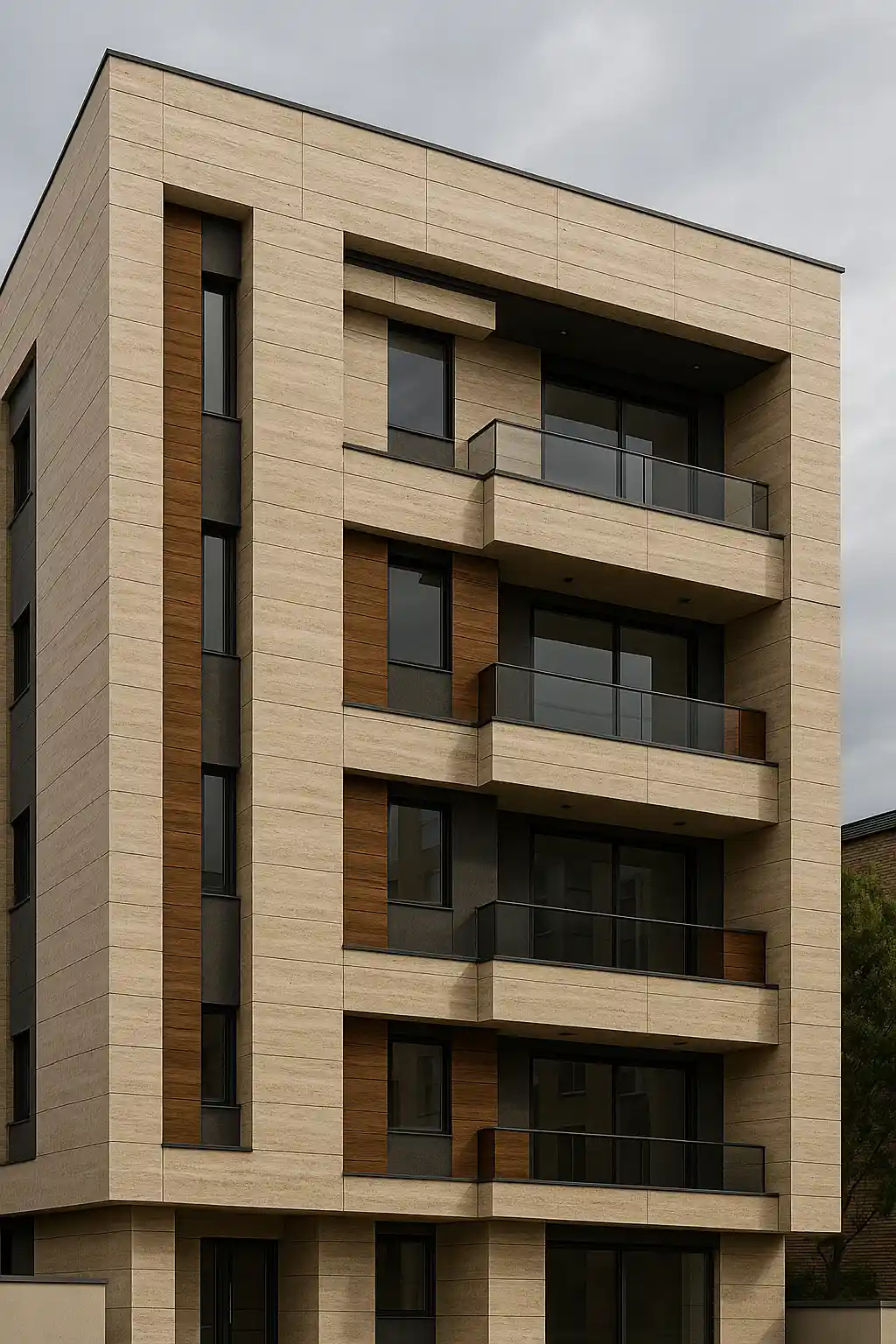
Natural stones possess unique characteristics: Travertine, with its warm aesthetic and characteristic porosity, is excellent for building façades. Marble, known for its beautiful patterns, is better suited for interior spaces. Granite, due to its exceptional strength and durability, is the best option for high-traffic flooring and exterior surfaces.
What are the most commonly used building stones?
The most widely used natural stones include Travertine, Granite, Marble, and Onyx. Each of these is utilized in construction and interior design projects based on their specific patterns, colors, and applications (façades, flooring, or wall cladding).
What are the common applications for Granite?
Due to its high structural integrity and resistance to pressure, heat, and scratches, Granite is the ideal choice for high-traffic flooring, staircases, countertops, and exterior paving. Furthermore, it is relatively easy to maintain.
How can one select the appropriate stone for a project?
When selecting stone, you must consider the intended application (façade, flooring, or walls), resistance to moisture and abrasion, water absorption rates, color compatibility with the design scheme, and the budget. This ensures the best material is chosen to meet the specific requirements of the project.
Do natural stones require special maintenance?
Yes, each type of natural stone may require specific maintenance such as sealing, honing, or periodic polishing. For instance, due to its inherent porosity, Travertine usually requires filling and sealing before installation to enhance both its durability and aesthetic appeal.